
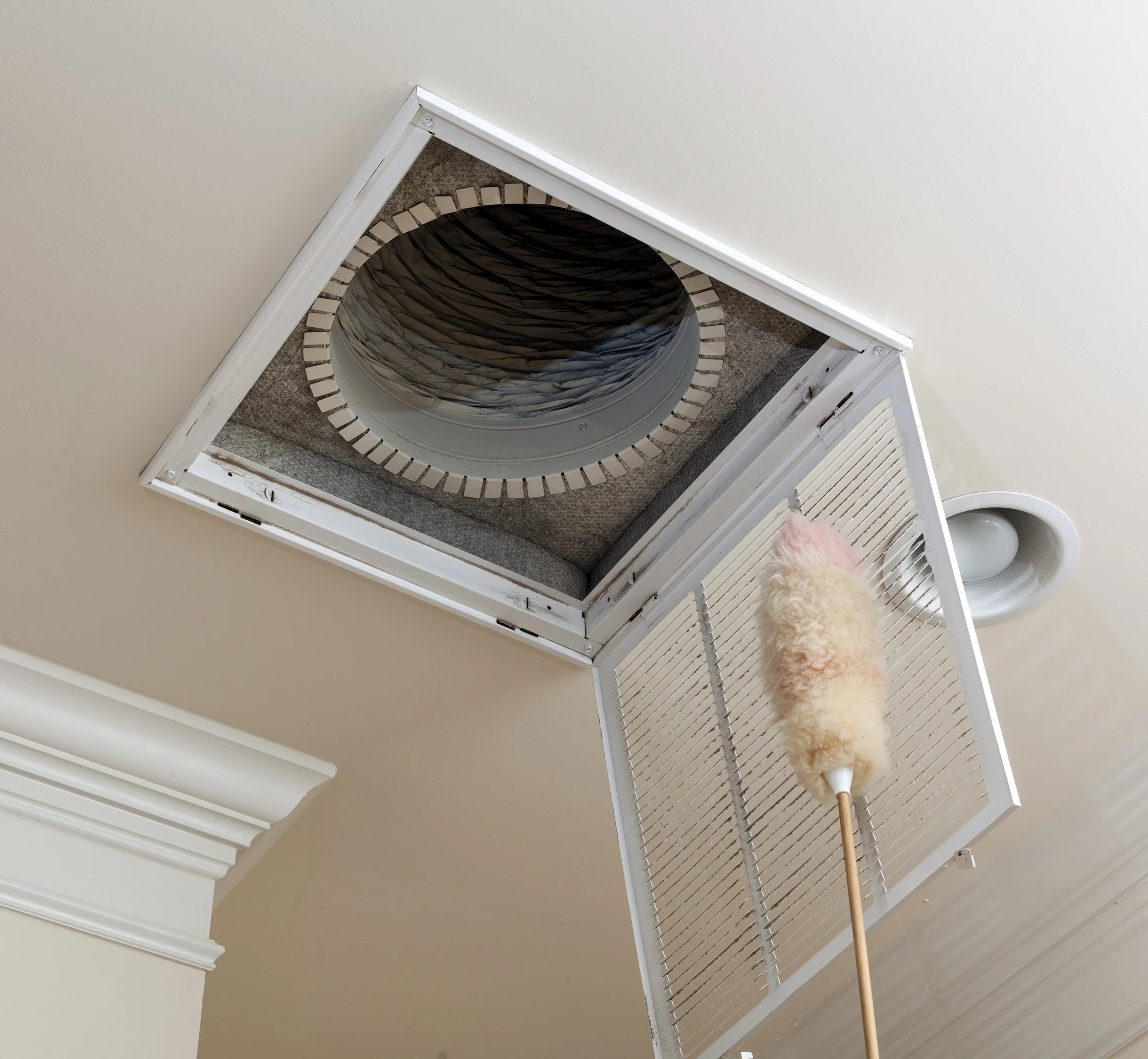
It's a scenario Philadelphia homeowners know all too well: you fire up the AC on the first truly hot day of the season, and a few hours later you notice a puddle forming around your indoor air handler. A leaking air conditioner isn't just an inconvenience — left unchecked, it can damage drywall, warp hardwood floors, promote mold growth, and even short-circuit electrical components. The good news? Most causes of AC water leaks are well understood and fixable. Here's what's likely happening and what you can do about it.
How Your AC Produces Water in the First Place
Before diving into what goes wrong, it helps to understand why your air conditioner produces water at all. Your AC doesn't just cool air — it removes humidity. Warm, humid Philadelphia air passes over the evaporator coil inside your air handler, and moisture in that air condenses on the cold coil surface, much like water droplets forming on a glass of iced tea in summer. That condensation drips into a drain pan beneath the coil and flows out through a condensate drain line, typically to a floor drain, utility sink, or outside your home.
When everything works correctly, you never see that water. When something disrupts this process, it ends up on your floor.
1. Clogged Condensate Drain Line
This is far and away the most common reason for an AC water leak — and it's especially prevalent in the Philadelphia area, where our hot, humid summers mean the system is pulling gallons of moisture out of the air every day. Over time, algae, mold, dust, and debris accumulate inside the drain line, eventually creating a blockage. When water can't flow out, it backs up into the drain pan and overflows onto the floor.
What you can do:
- Locate the drain line access point — usually a PVC pipe near your indoor air handler with a cap or T-fitting.
- Try flushing it with a cup of distilled white vinegar or a 50/50 bleach-water solution. Pour it into the access point and let it sit for 30 minutes before flushing with warm water.
- Use a wet/dry vacuum on the outdoor end of the drain line to pull out stubborn clogs.
- If flushing doesn't work, the clog may be deep — a professional can clear it with a specialized air or nitrogen flush.
💡 Prevention Tip
Pour a cup of vinegar down your condensate drain line every 1–2 months during cooling season to prevent algae buildup. It takes 30 seconds and can save you a service call. At GenServ Pro, we clear and treat the drain line as part of every AC tune-up.
2. Dirty or Frozen Evaporator Coil
A dirty evaporator coil restricts airflow and can cause the coil to drop below freezing, forming a layer of ice. When the system cycles off or the ice melts, it produces far more water than the drain pan can handle, leading to overflow. You might also notice your AC blowing warm air or cycling on and off frequently.
Signs to look for:
- Ice visible on refrigerant lines or the indoor coil
- Reduced airflow from vents
- System running constantly but not cooling effectively
If you see ice, turn the system off (or switch to "fan only" mode) and let it thaw completely before restarting. If the problem recurs, the coil likely needs professional cleaning, or there may be a refrigerant issue — both require a licensed HVAC technician.
3. Cracked or Rusted Drain Pan
Your AC has one or two drain pans — a primary pan directly under the evaporator coil and often a secondary (overflow) pan beneath the air handler. In older Philadelphia homes where the HVAC system may be 15–20 years old, these metal pans can rust through or develop cracks, allowing water to drip straight through instead of flowing to the drain line.
Inspect the pan with a flashlight. Small cracks in a secondary pan can sometimes be temporarily sealed with waterproof epoxy, but a rusted-through primary pan typically means it's time for professional replacement.
4. Disconnected or Damaged Drain Line
PVC drain lines can come loose at connection points, especially in older installations or after nearby work in the utility area. Vibration from the air handler, accidental bumps while storing items nearby, or even settling in older Philadelphia row homes can shift connections just enough to cause a drip. Check all visible joints and fittings for separation or cracks.
5. Low Refrigerant
When refrigerant levels drop — usually due to a slow leak in the system — the evaporator coil gets colder than it should. This leads to excessive ice formation and, eventually, the same overflow problem described above. Low refrigerant is also hard on your compressor and will drive up your energy bills significantly.
Signs of low refrigerant include:
- Hissing or bubbling sounds near the indoor unit
- Ice on the refrigerant lines
- AC blowing lukewarm air
- Higher-than-normal electric bills
Refrigerant issues always require a professional — it's regulated under EPA guidelines and must be handled by a certified technician.
6. Improper Installation
If your AC was recently installed and is leaking, the problem may be as simple as an improperly pitched drain line (it needs a slight downward slope to drain by gravity), a missing P-trap, or a drain pan that wasn't properly seated. This is more common with budget installations and one reason to always use a licensed, reputable HVAC contractor. GenServ Pro (PA HIC # PA 056854) stands behind every installation with a workmanship guarantee.
When to Call a Professional
Some of these fixes are DIY-friendly — clearing a minor drain clog, replacing a filter, or checking for disconnected lines. But call a professional HVAC technician when:
- The clog won't clear with vinegar or a wet vac
- You see ice on the coil or refrigerant lines
- The drain pan is rusted through
- The leak returns after you've tried fixing it
- Water is leaking near electrical components
- You smell mold or musty odors from the vents
Protect Your Philadelphia Home from Water Damage
In a city where many homes have finished basements and hardwood floors — and where summer humidity regularly pushes above 70% — an AC water leak can cause hundreds or even thousands of dollars in damage if ignored. A few proactive steps go a long way:
- Schedule annual AC maintenance before cooling season starts
- Change your air filter every 1–3 months
- Install a float switch on your drain pan — it automatically shuts down the system if water backs up, preventing overflow
- Keep the area around your air handler clear so you can spot leaks early
- Flush the drain line with vinegar monthly during summer
AC Leaking? Don't Wait — Call GenServ Pro Today.
Our licensed HVAC technicians serve Philadelphia, the Main Line, and Delaware County. We'll diagnose the problem fast and fix it right — guaranteed.